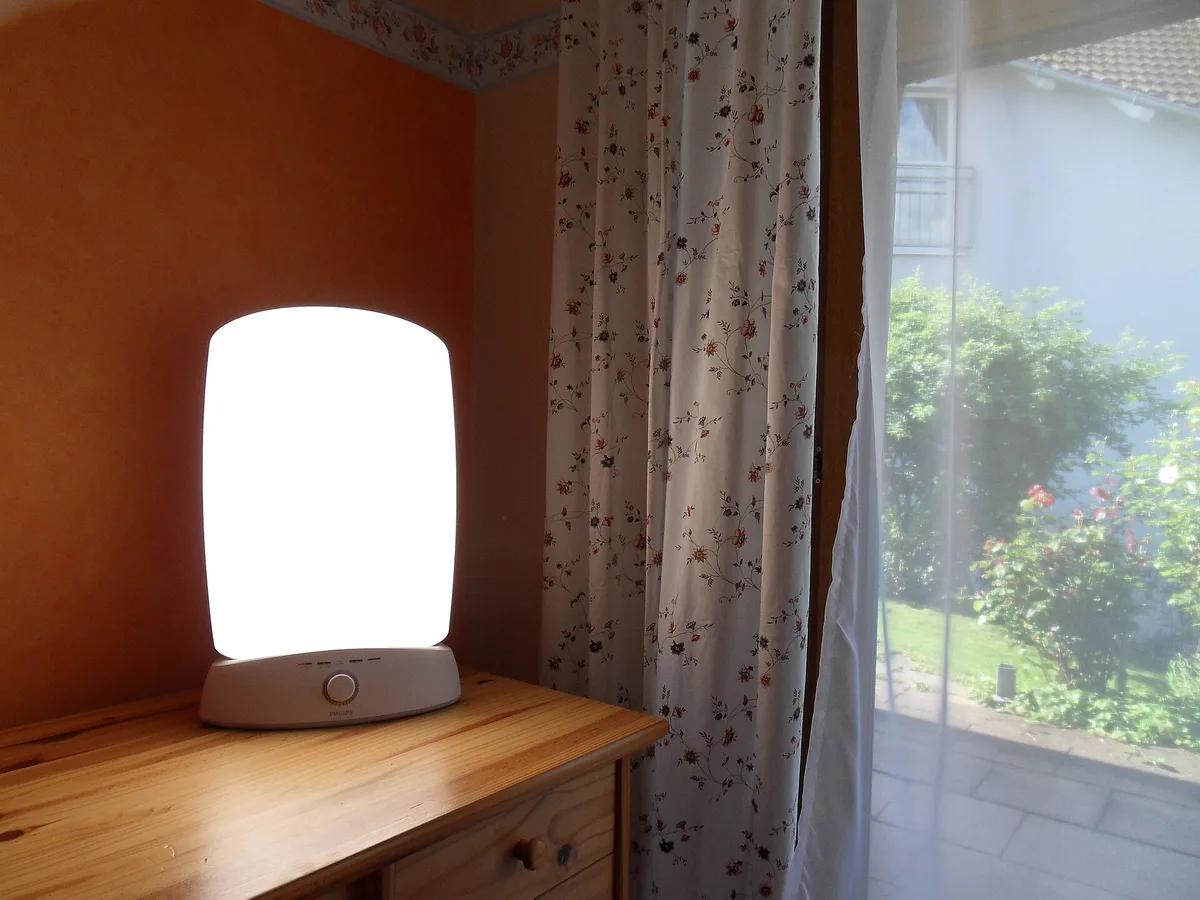

Medical-grade red light therapy devices sit in a gray zone between clinic hardware and retail gadgets. The phrase itself is marketing language, not a defined federal class. The FDA sorts light products by what they claim to do and how they emit energy. An infrared lamp sold for topical heating falls under a specific FDA regulation. The same hardware sold with treatment claims can become a regulated medical device in the eyes of the agency.
That distinction drives every buying decision in this category. A clinic that pays for a medical grade expects paperwork. That means clearance records, honest labels, and a maker on file with the FDA. This guide explains what to demand. Paper beats promises in this trade. Readers following this should also see Home Medical Supplies: What to Stock, Store, and Replace.
What Medical-Grade Red Light Therapy Devices Claim to Be
Sellers pitch red light panels, masks, and wands for skin, pain, and recovery. The claims run from beauty touch-ups to treatment of named diseases. Claims set the bucket. The FDA draws its line at intent. Per the agency, a product that makes medical claims is a medical device, no matter its look or price. A lamp that only warms the skin sits in one bucket. A lamp that claims to heal a wound sits in a heavier one.
How the FDA Actually Sorts These Products
The agency keeps a public entry for infrared lamps under product code ILY. The formal name reads lamp, infrared, therapeutic heating, tied to regulation 890.5500 in the physical medicine panel. That entry carries a class two device rating, and it is exempt from the usual 510(k) filing. Exempt is not the same as unregulated. Makers still face plant rules and reporting duties. The rules still bind. Red light products also count as radiation-emitting electronic products. Federal law asks makers for records under 21 CFR parts 1000 through 1050.
Clearance, Exemption, and What Each Word Means
Device words trip up buyers. Cleared means the FDA judged a device substantially equivalent to one already sold. That judgment usually lands within about 90 days of a 510(k) filing. Approved is reserved for higher-risk devices that passed premarket approval. Exempt means a filing is waived for low-risk tools, like the infrared lamp entry above. A seller who mixes these words is either sloppy or sales-driven. Ask for the exact rule number, the product code, and the clearance letter, if any exists. For claims that cross into treatment territory, the exemption can vanish. Readers following this should also see Carpal Tunnel Syndrome Medical Devices: Splints, Scans, and Surgical Tools.
Red Flags on Labels and Listings
Some habits expose weak products fast. A label that promises cures for named diseases is the loudest alarm. No regulation number on the box is another. A seller with no FDA registration behind the listing is a third. Radiation-emitting products owe federal reports, and honest makers say so plainly. Panels with wild wattage claims and no output specs deserve a pause. Photos of clinic settings mean nothing without paperwork. A serial number and a real maker address go a long way. So does a plain intended use line in the manual.
The Real Cost of a Weak Claim
A device pulled from the market costs more than its price. Clinics lose the treatment slot, the training hours, and patient goodwill. Waste is the true cost. FDA recalls run from class one, the most grave, down to class three, the least. A recall is usually voluntary, per the agency, and a correction can happen in place. Budget for the risk. Buy from makers with a documented FDA footprint. The sticker price of a no-name panel hides the true math.
Conclusion: Verify Before the Invoice
Treat the term on medical-grade red light therapy devices as a claim, not a fact. Demand the rule number, the product code, and the maker's FDA record. Read the intended use line word by word. Check whether the specific model holds an exemption or a clearance. One closing check, taken from the FDA classification database: search the maker's name and product code ILY. Confirm the entry exists before payment leaves the account.